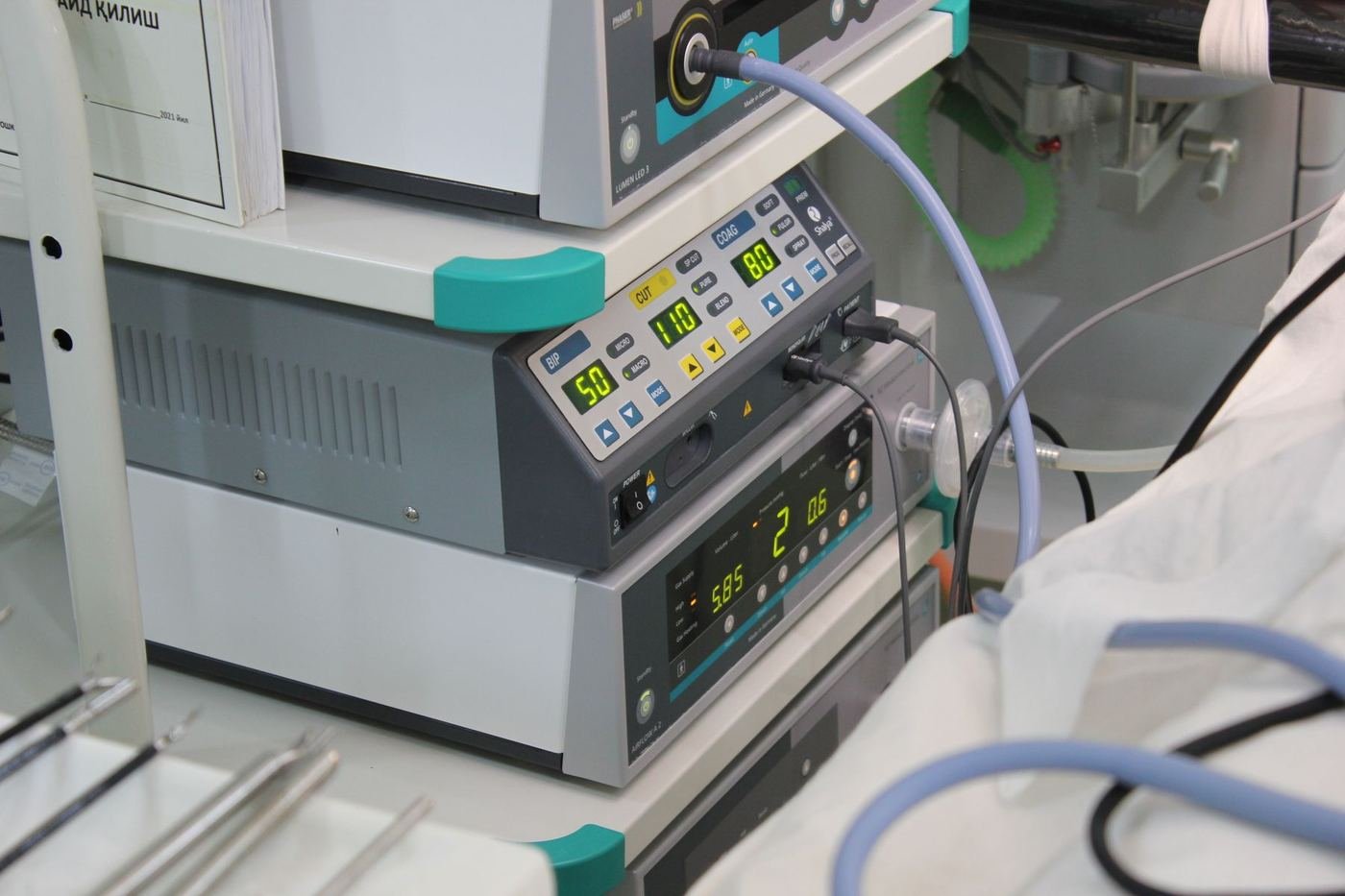
Why it is done
- Screening for bowel cancer. Many guidelines now advise starting at 45, and earlier if a close relative had bowel cancer or polyps.
- Bleeding from the bottom, or a change in bowel habit
- Low iron or unexplained weight loss
- A positive stool test (FIT)
- Diagnosing and monitoring Crohn's disease and colitis
- Follow-up after polyps were removed before
Dr Khanna removes most polyps during the same test, including larger ones (level 2 polypectomy).
Bowel preparation
A clear view depends on a clean bowel. This is the most important step you take, and the part most patients find hardest.
| When | What to do |
|---|---|
| 7 days before | Stop iron tablets. Tell the team about blood thinners, diabetes medicines and GLP-1 injections. |
| 2–3 days before | Low-fibre diet: white bread, white rice, pasta, eggs, chicken, fish. Avoid seeds, nuts, fruit skins, vegetables and wholegrains. |
| Day before | Clear fluids only from the time on your instructions: water, clear broth, clear juice, black tea or coffee. Start the bowel preparation drink. |
| Day of test | Take the second dose as instructed. Stop all fluids 2 hours before your appointment. |
Follow the written instructions you receive from the hospital, as timings depend on your appointment and the preparation used.
On the day
Most people have sedation through a small cannula in the hand, so they feel relaxed and drowsy. You lie on your left side. Air or carbon dioxide gently opens the bowel so Dr Khanna can see the lining. You may feel cramping or pressure. The test usually takes 20 to 45 minutes, longer if polyps are removed.
Afterwards
- Rest for about an hour. Bloating and wind are normal and pass quickly.
- After sedation, have an adult take you home. Don't drive, drink alcohol or sign important documents for 24 hours.
- You can usually eat normally straight away.
Dr Khanna explains what she found before you leave and tells you when you need your next colonoscopy, if at all. Polyp and biopsy results take about one to two weeks.
Risks
Colonoscopy is a safe and common test, but it is not risk-free:
- Bleeding. Uncommon, and mostly after removing a polyp. It can happen up to two weeks later.
- Perforation (a tear in the bowel wall). Rare, around 1 in 1,000 or fewer, and more likely when large polyps are removed. It may need surgery.
- Reaction to sedation, affecting breathing or heart rate.
- Missed polyps. No test is perfect. A small number of polyps can be missed, especially if the bowel isn't fully clean.
Dr Khanna goes through the risks that apply to you before you sign a consent form.
Contact the hospital or go to the emergency department if, after your colonoscopy, you have severe or worsening tummy pain, a fever, or pass more than a small amount of blood.
Watch Dr Khanna
 Watch on Instagram ↗
Book through King's College Hospital London, Dubai on 800 7777 and ask for Dr Pooja Khanna.
Clinics and booking